Faroe Islands: Ethnographic Methods in Architecture
Starting Point
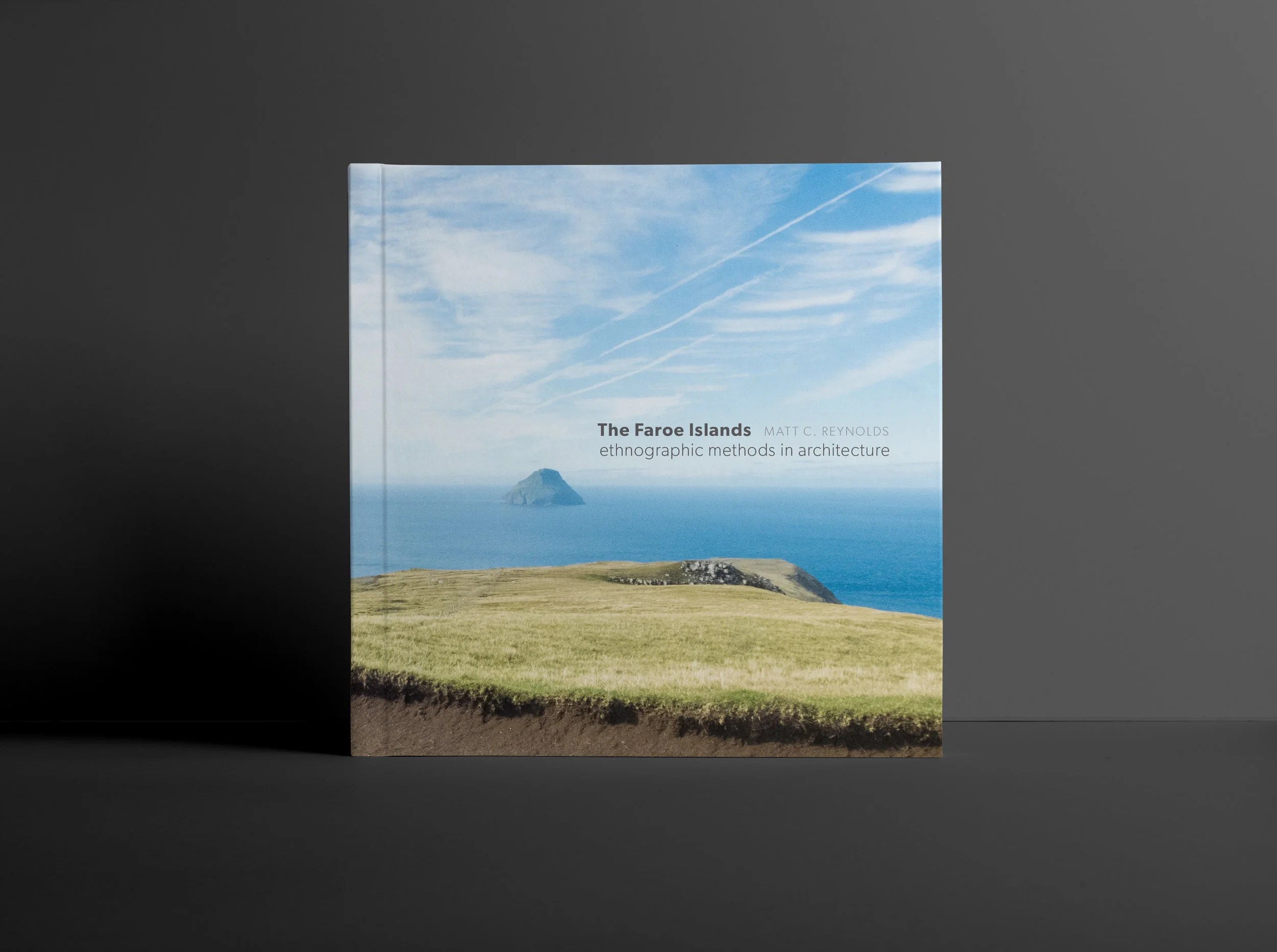
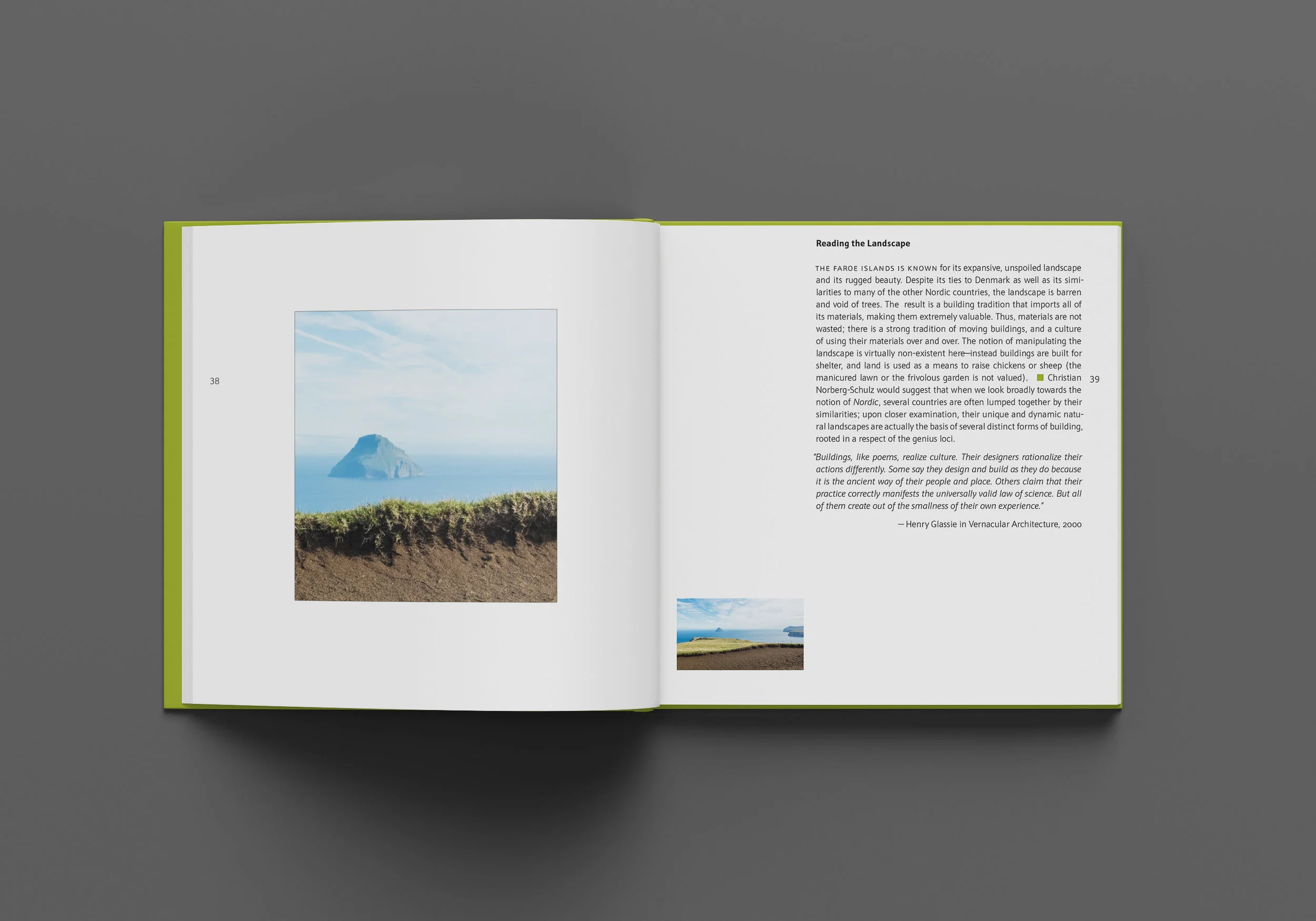
Ethnographic methods have a long history in anthropology, but almost none of that thinking has been translated for architects and designers who want to use travel as research. Anyone attempting it finds very little guidance on how to gather material in the field, or what to do with it once they are home. The Faroe Islands offered a demanding place to test the question: a remote North Atlantic archipelago whose building traditions are shaped by weather, isolation, and scarcity.
Integrated Strategy
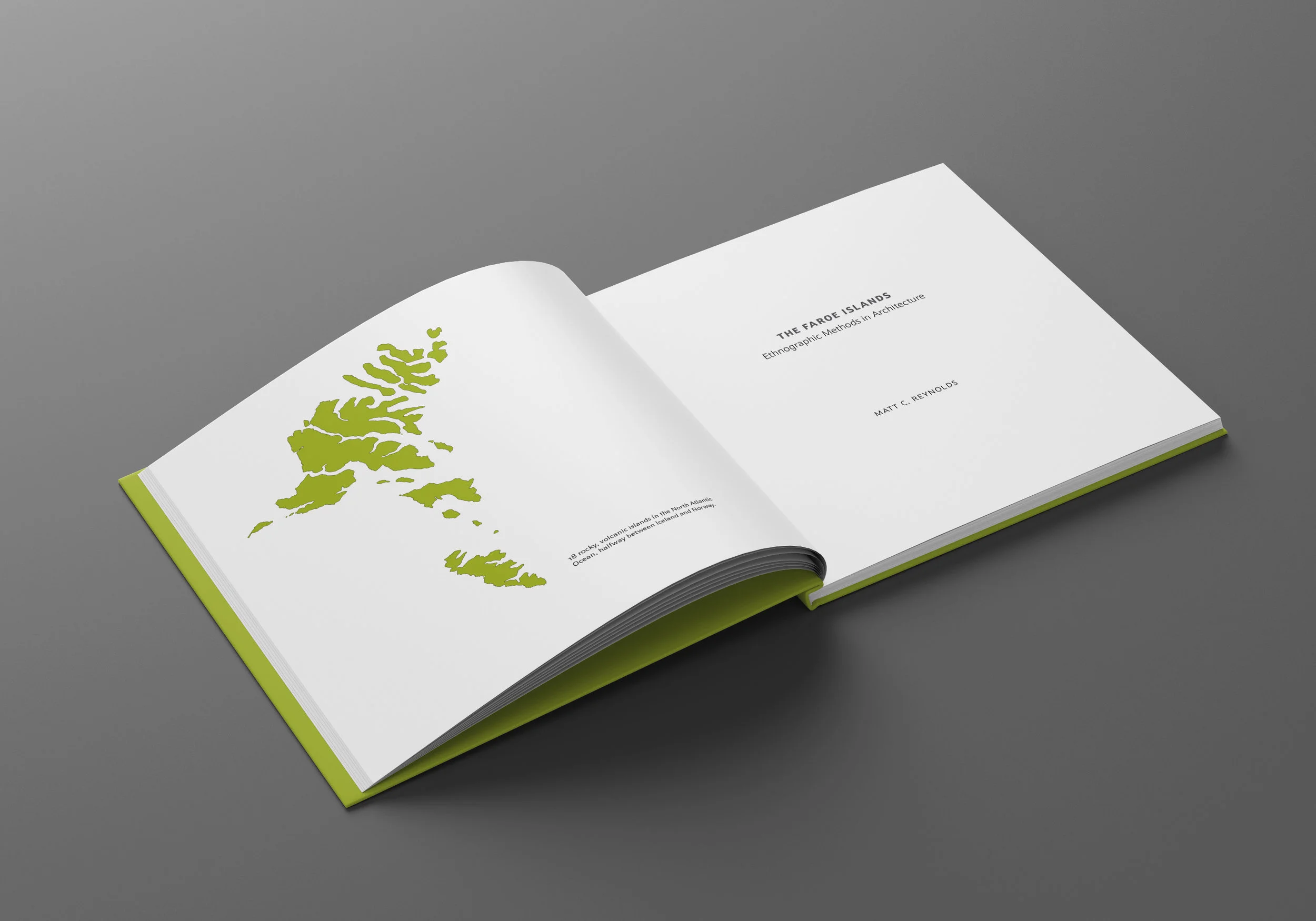
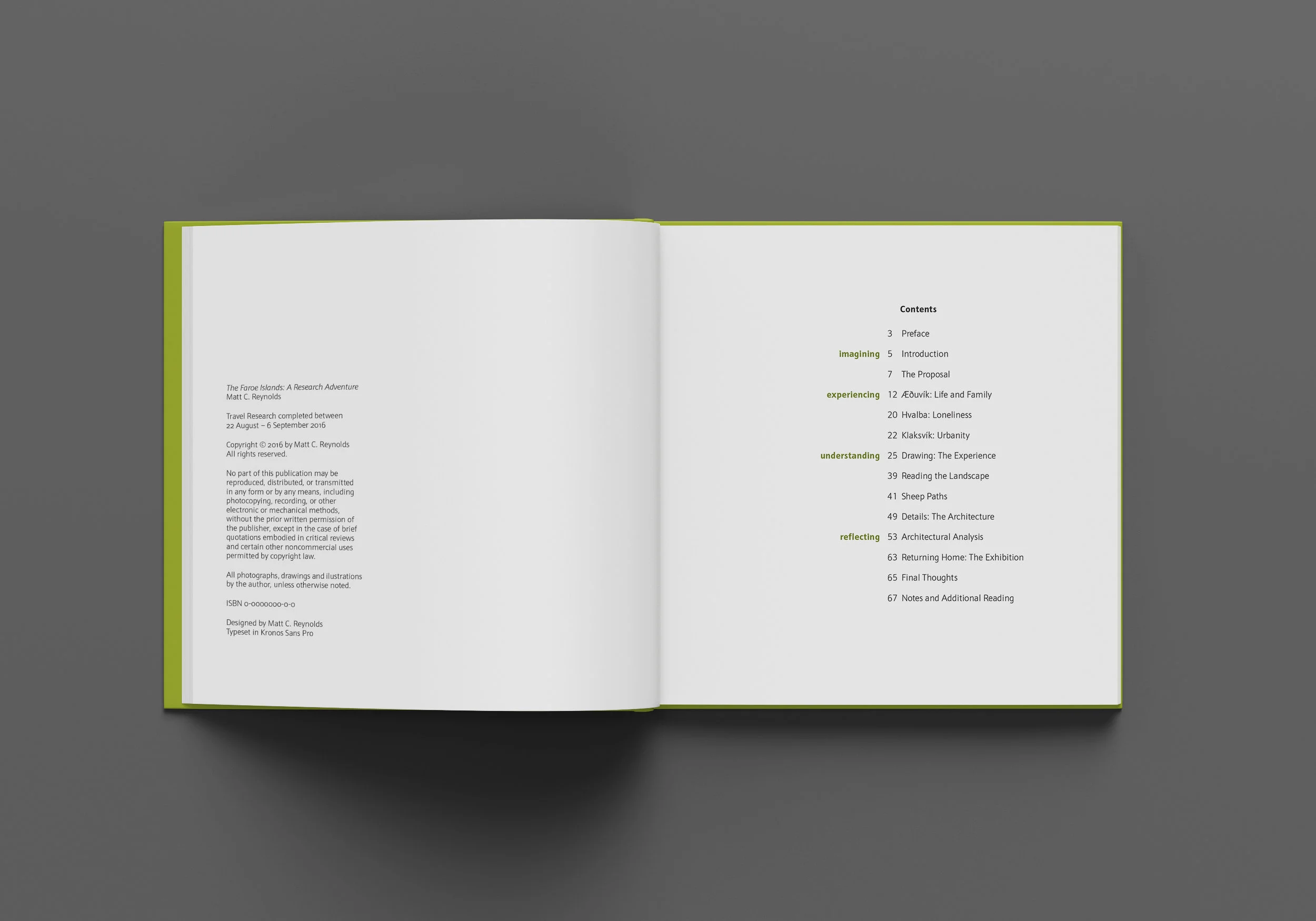
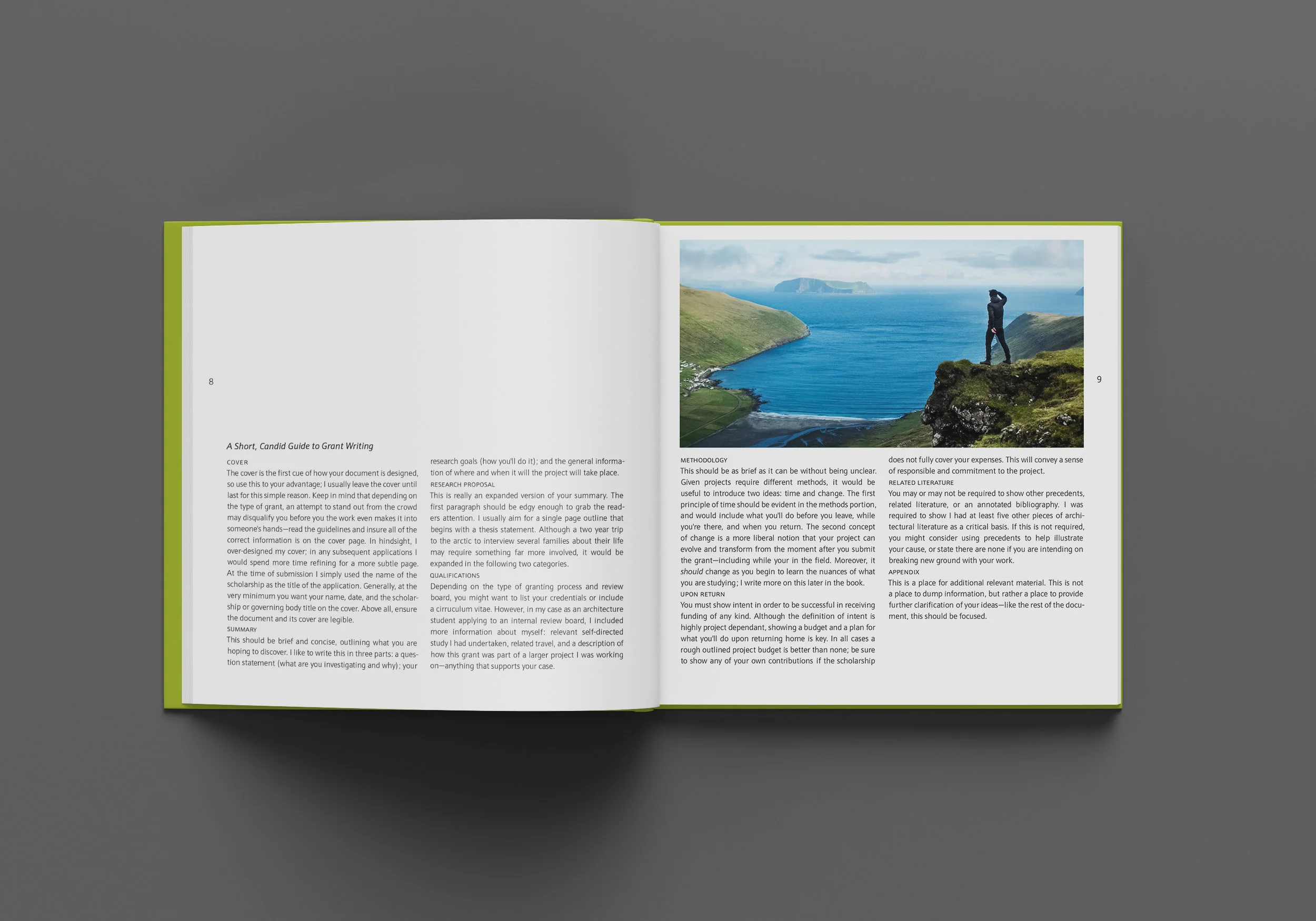
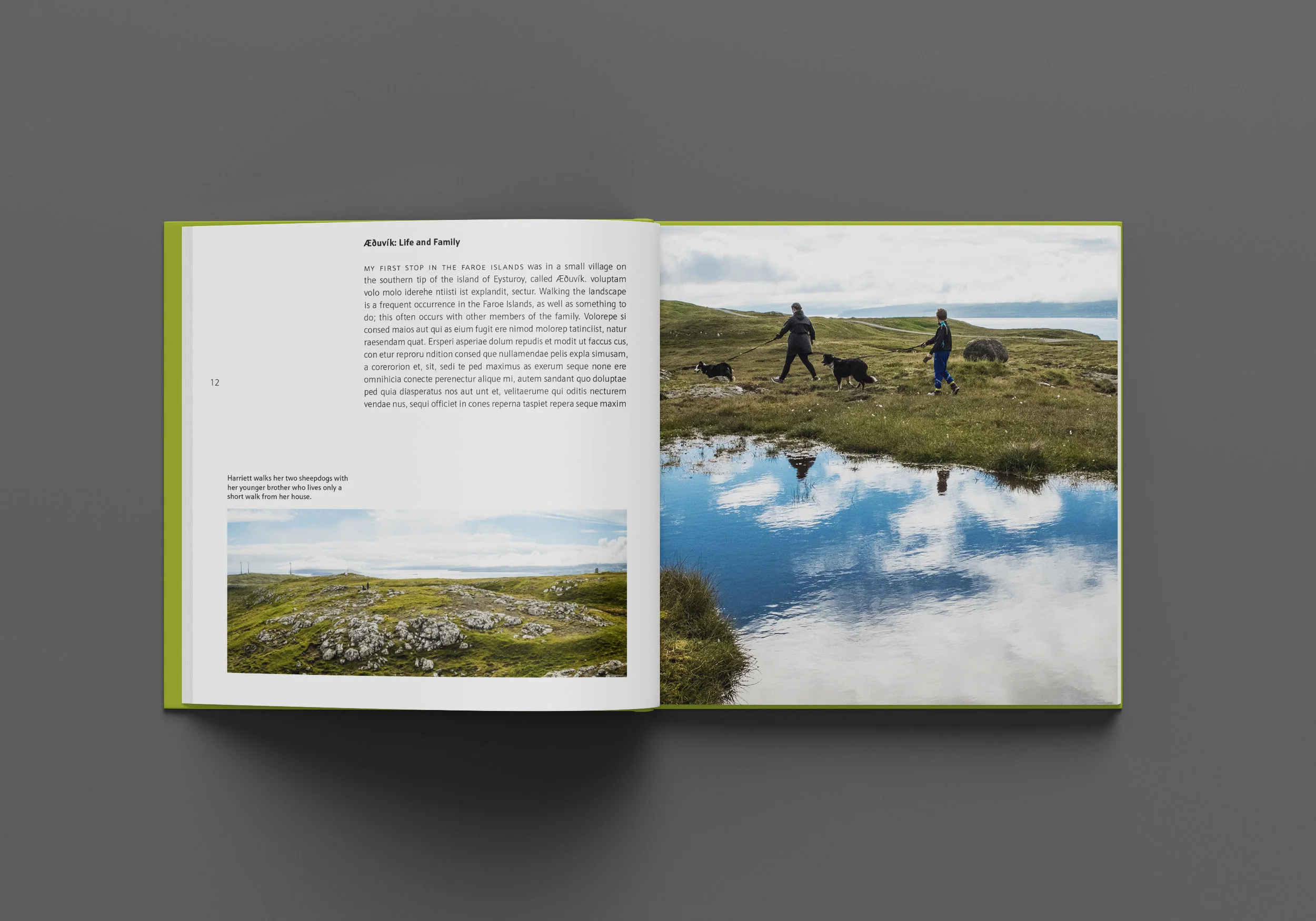
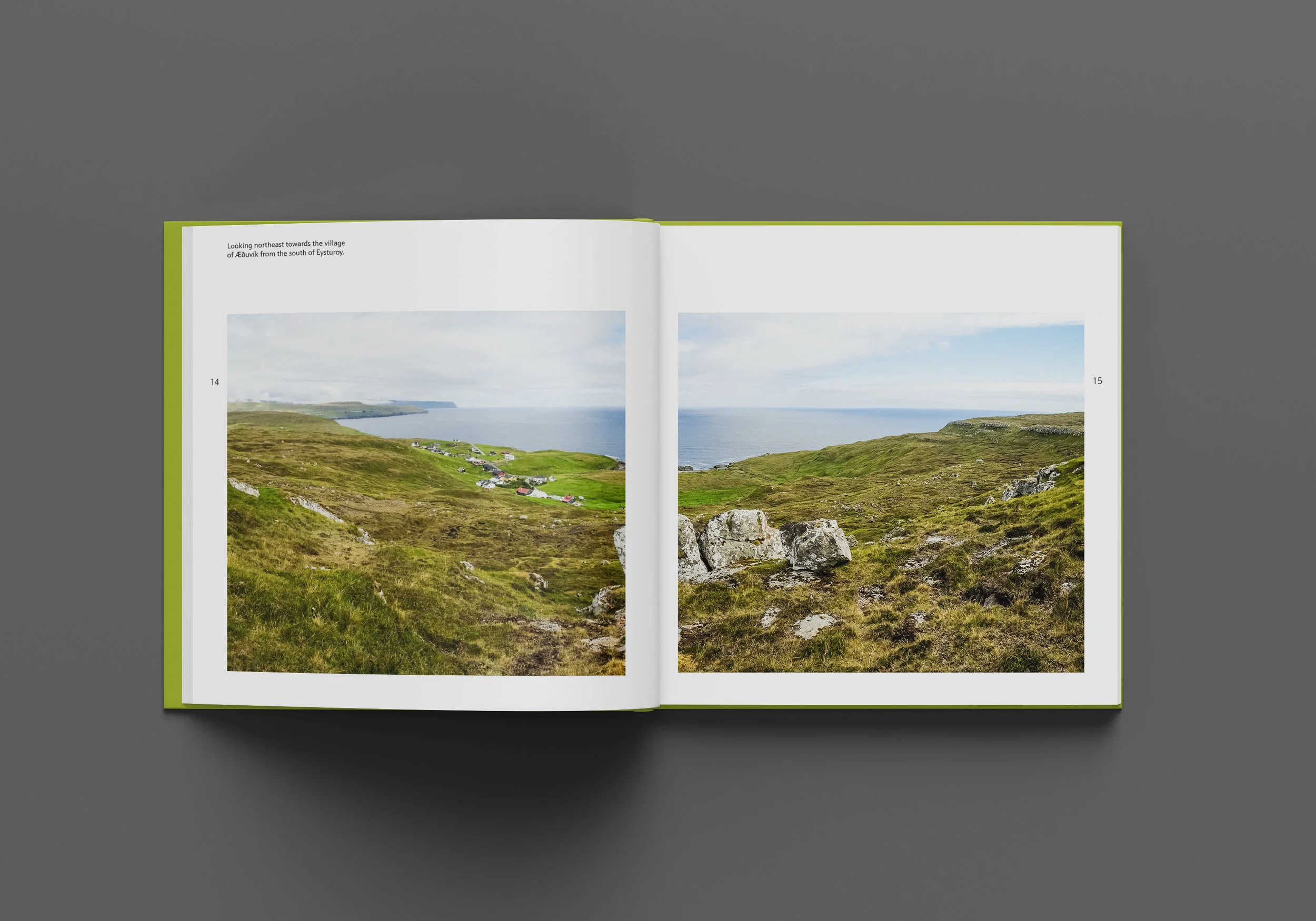
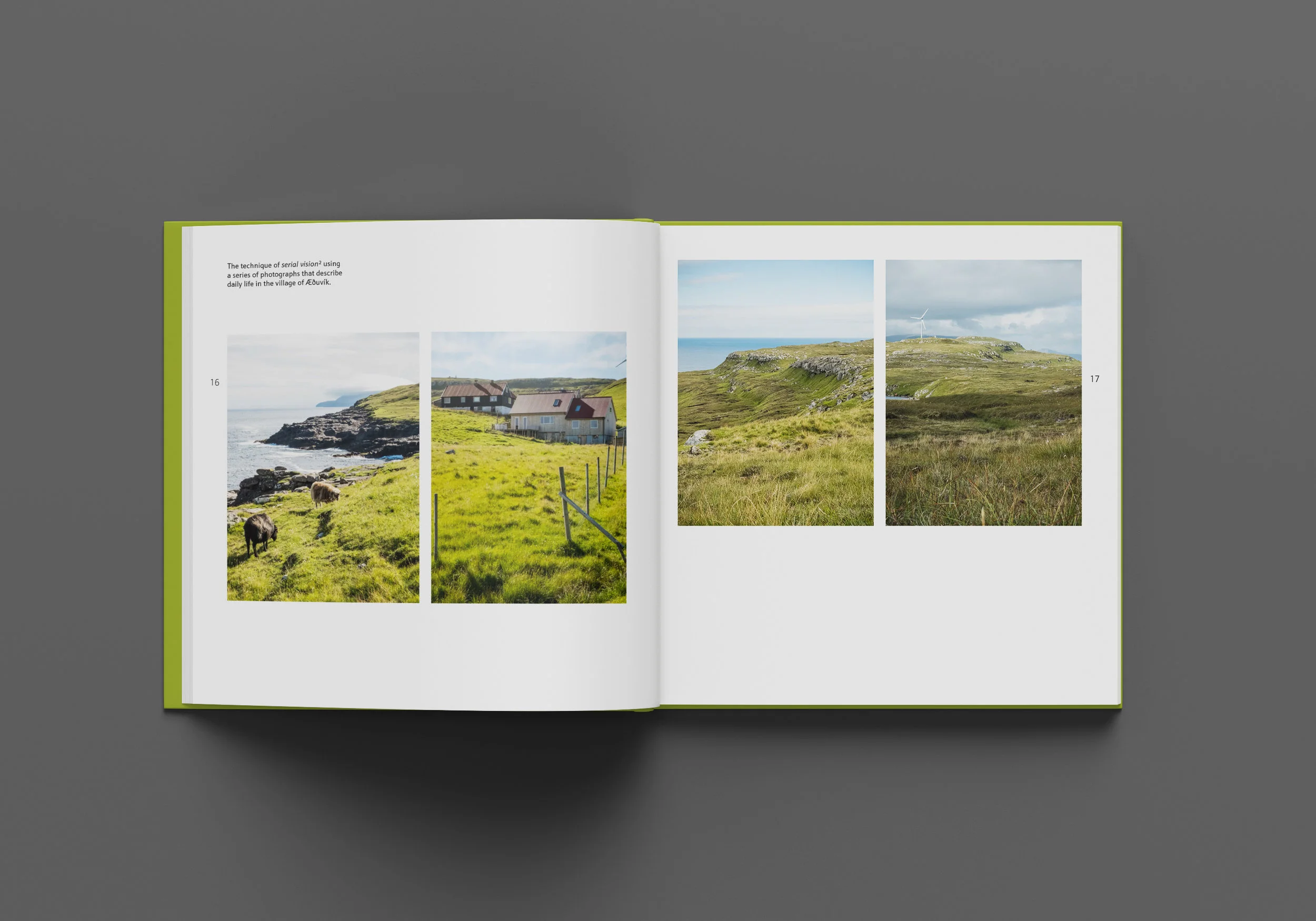
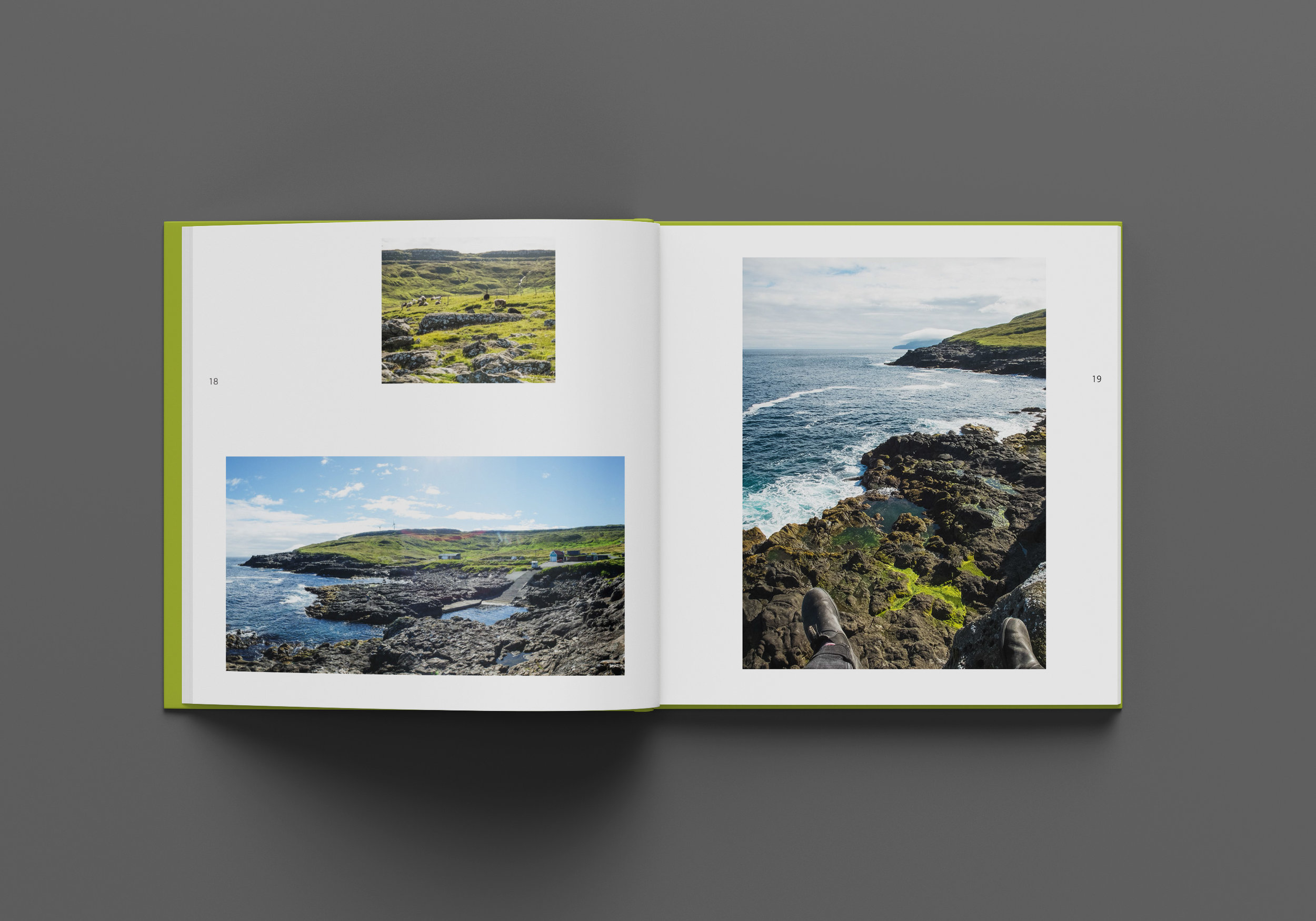
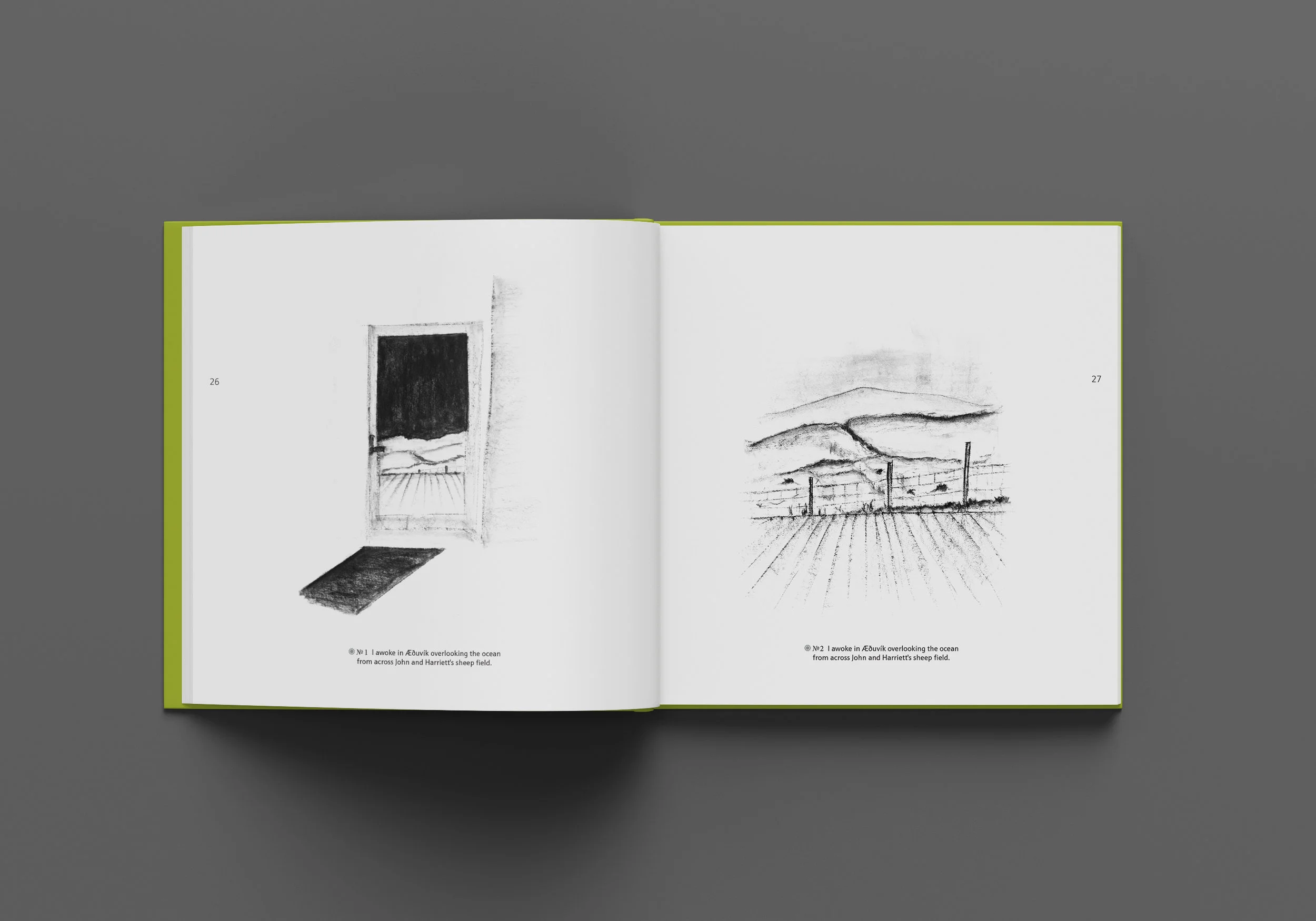
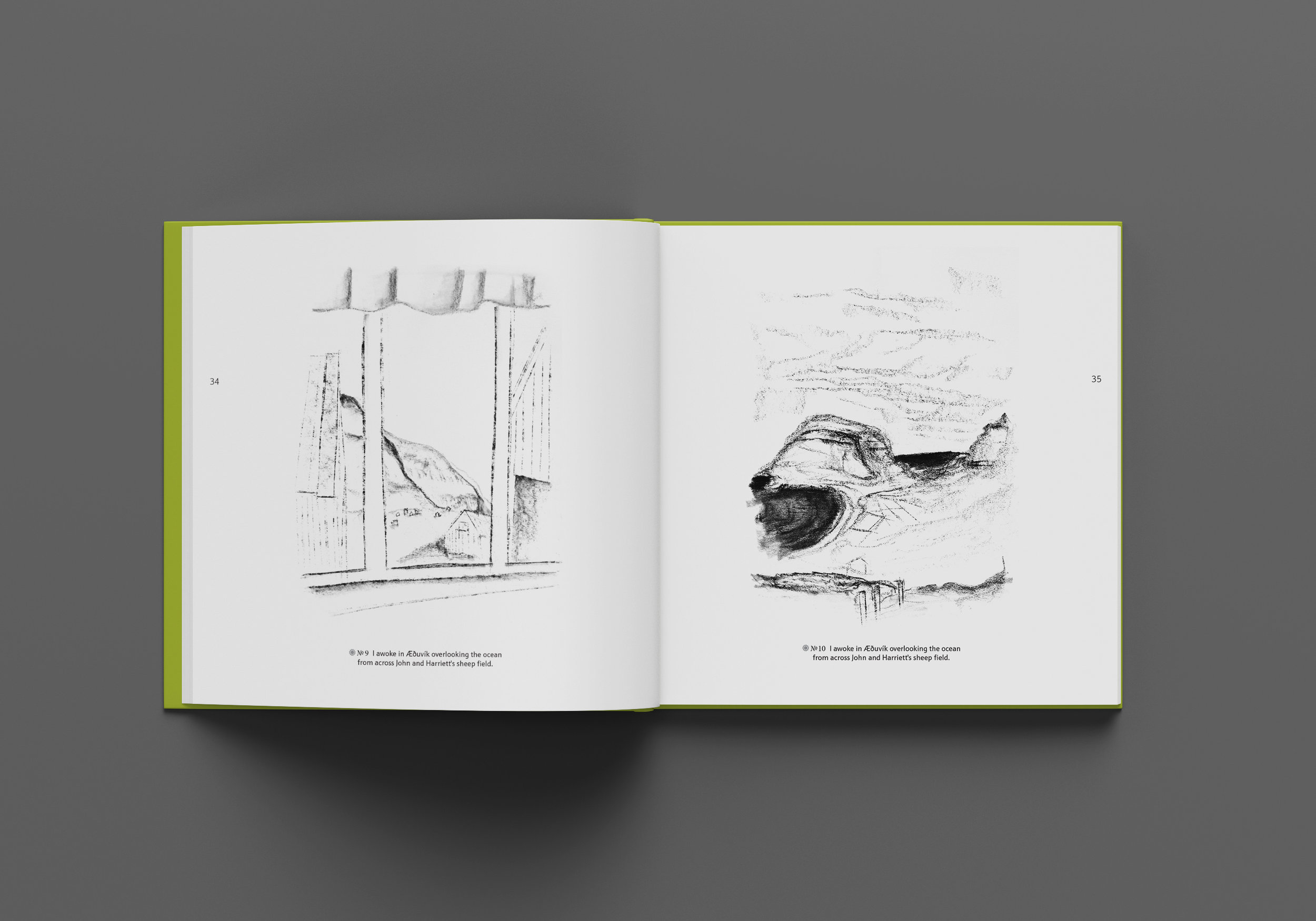
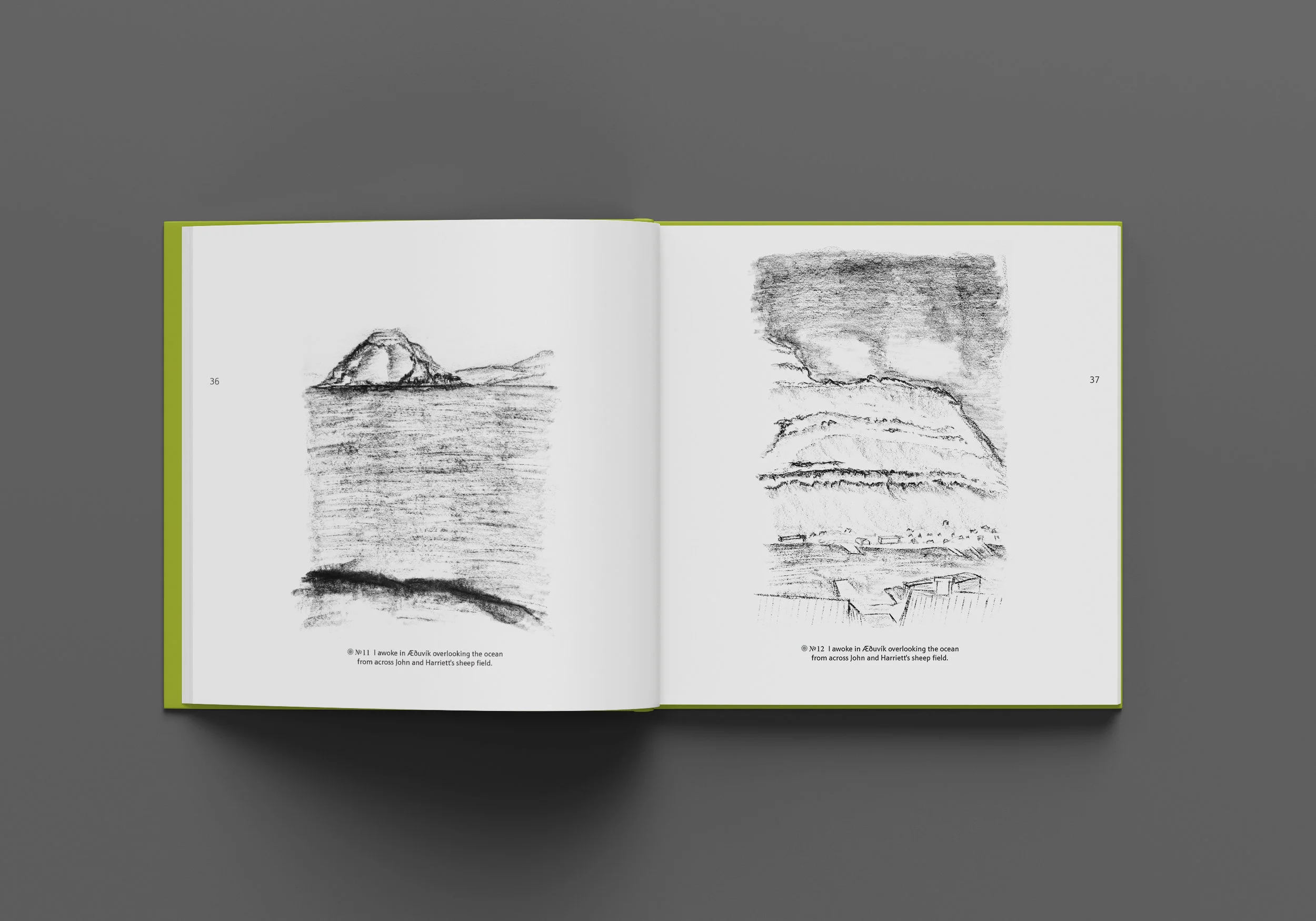
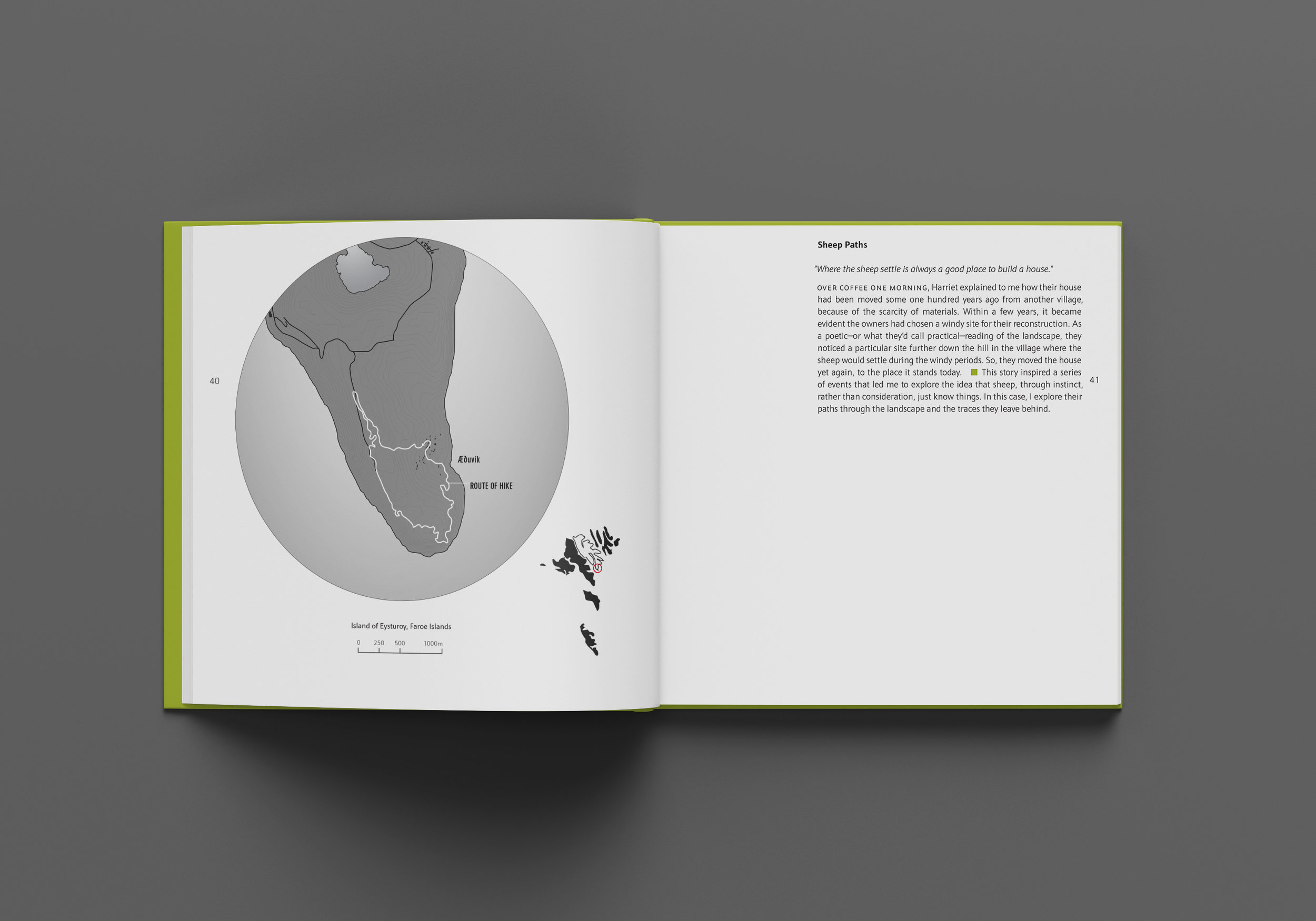
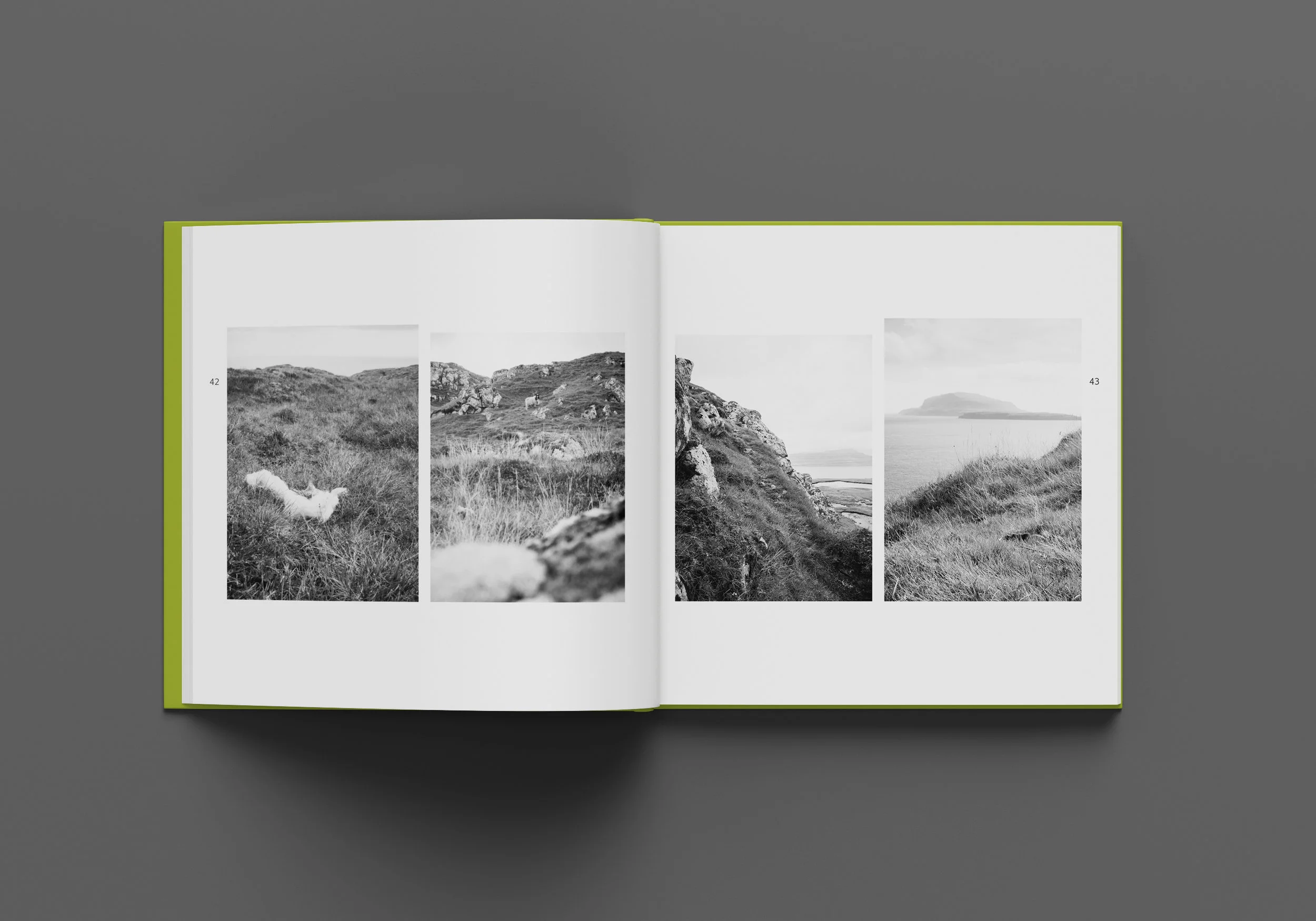
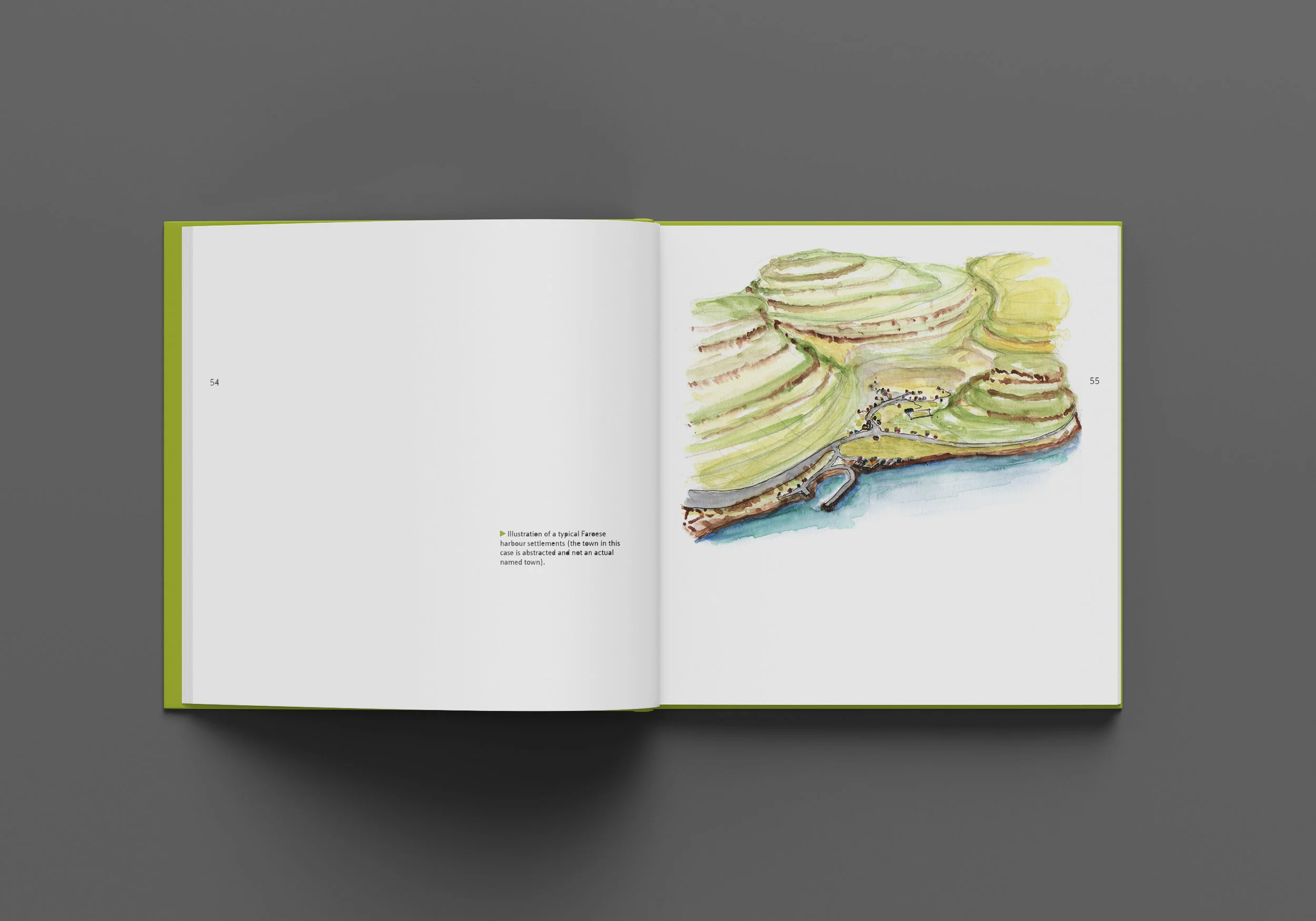
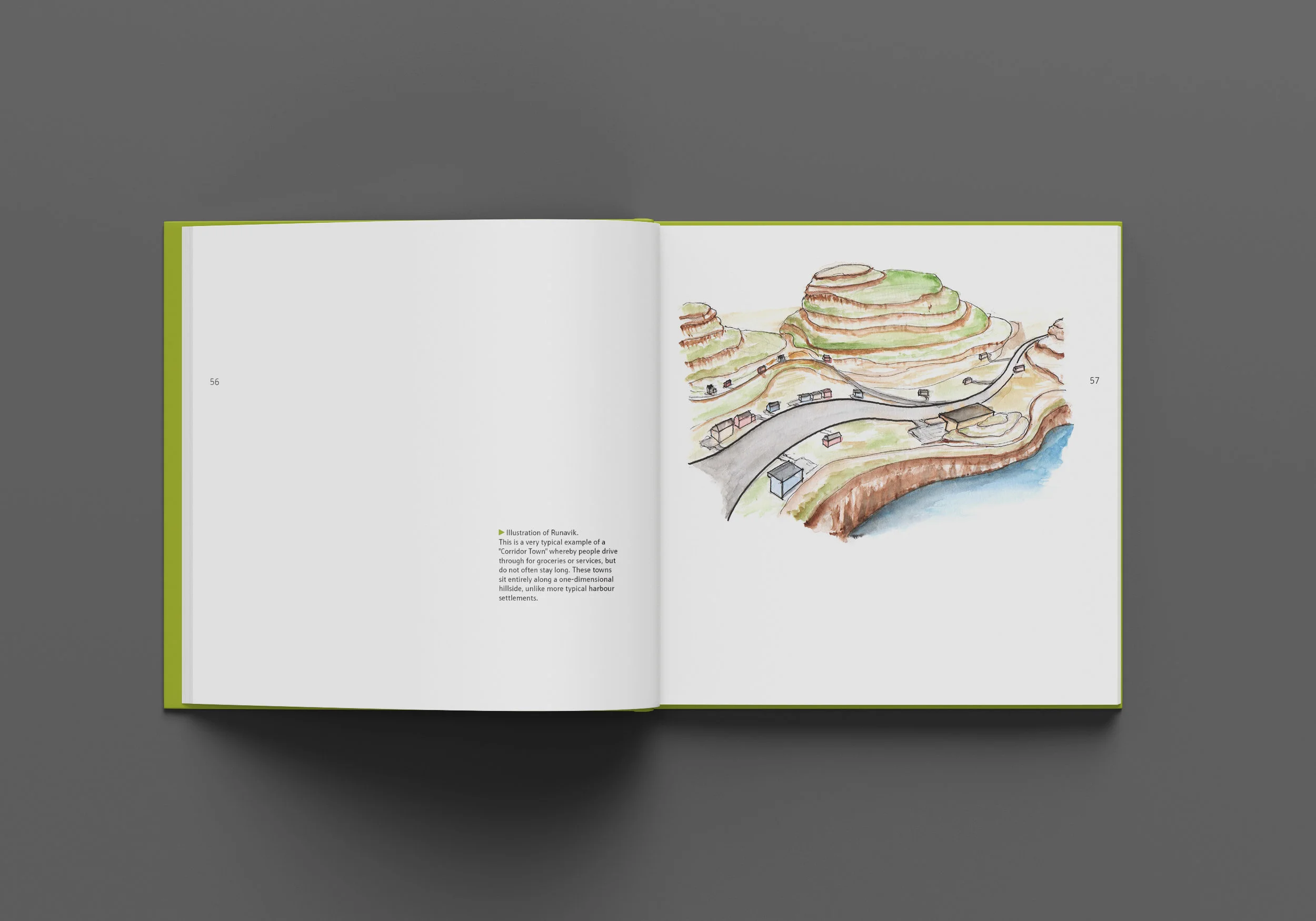
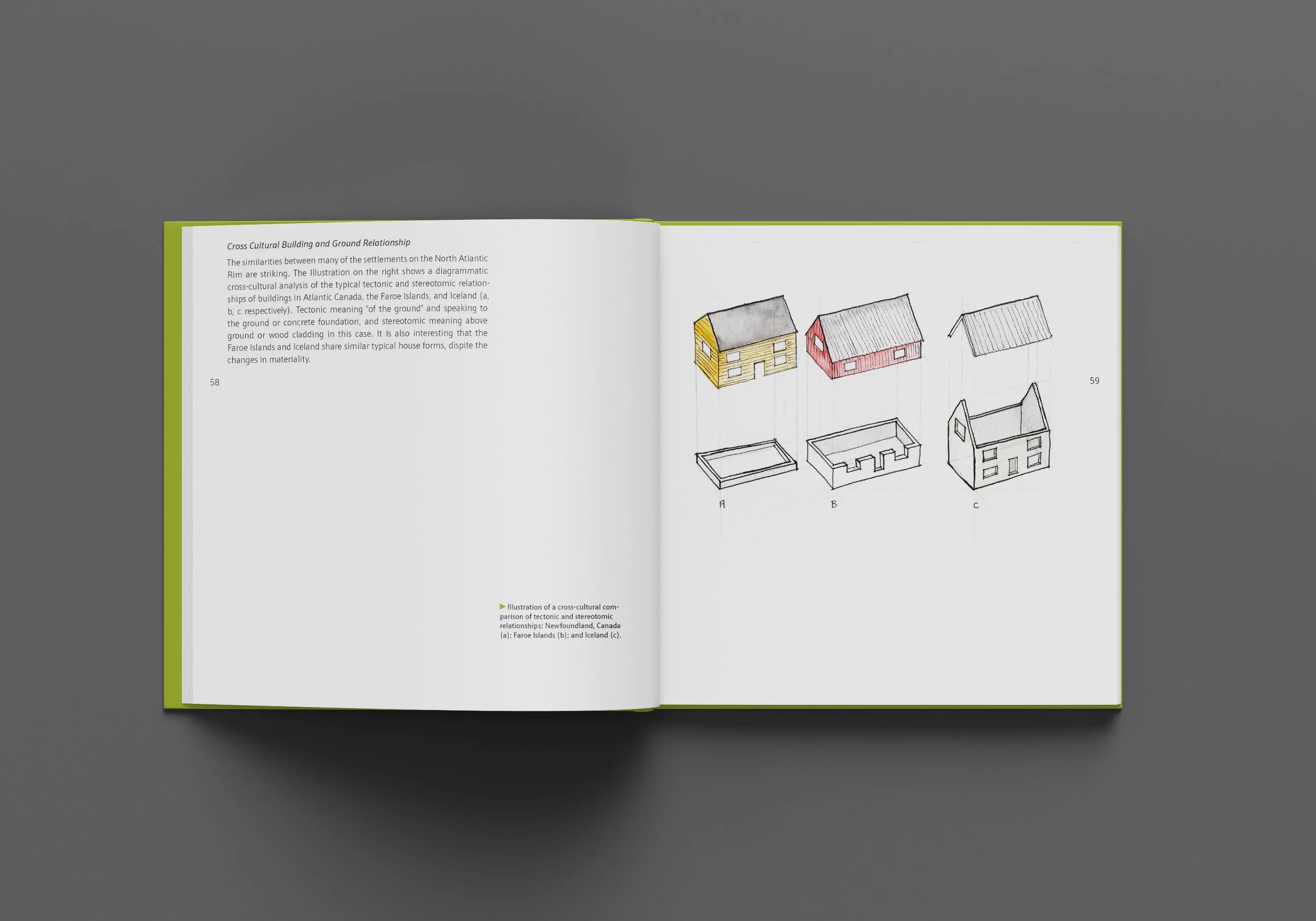
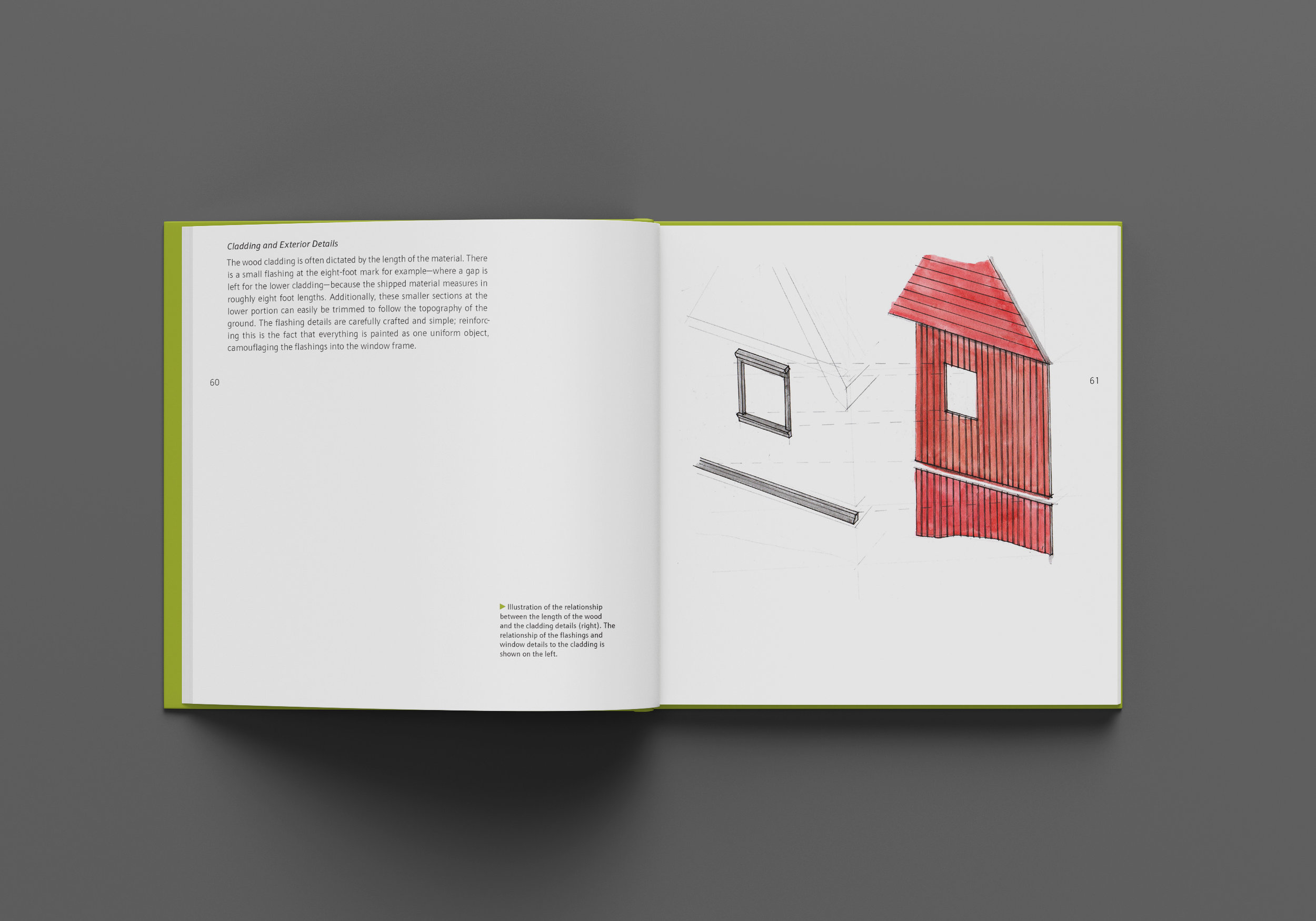
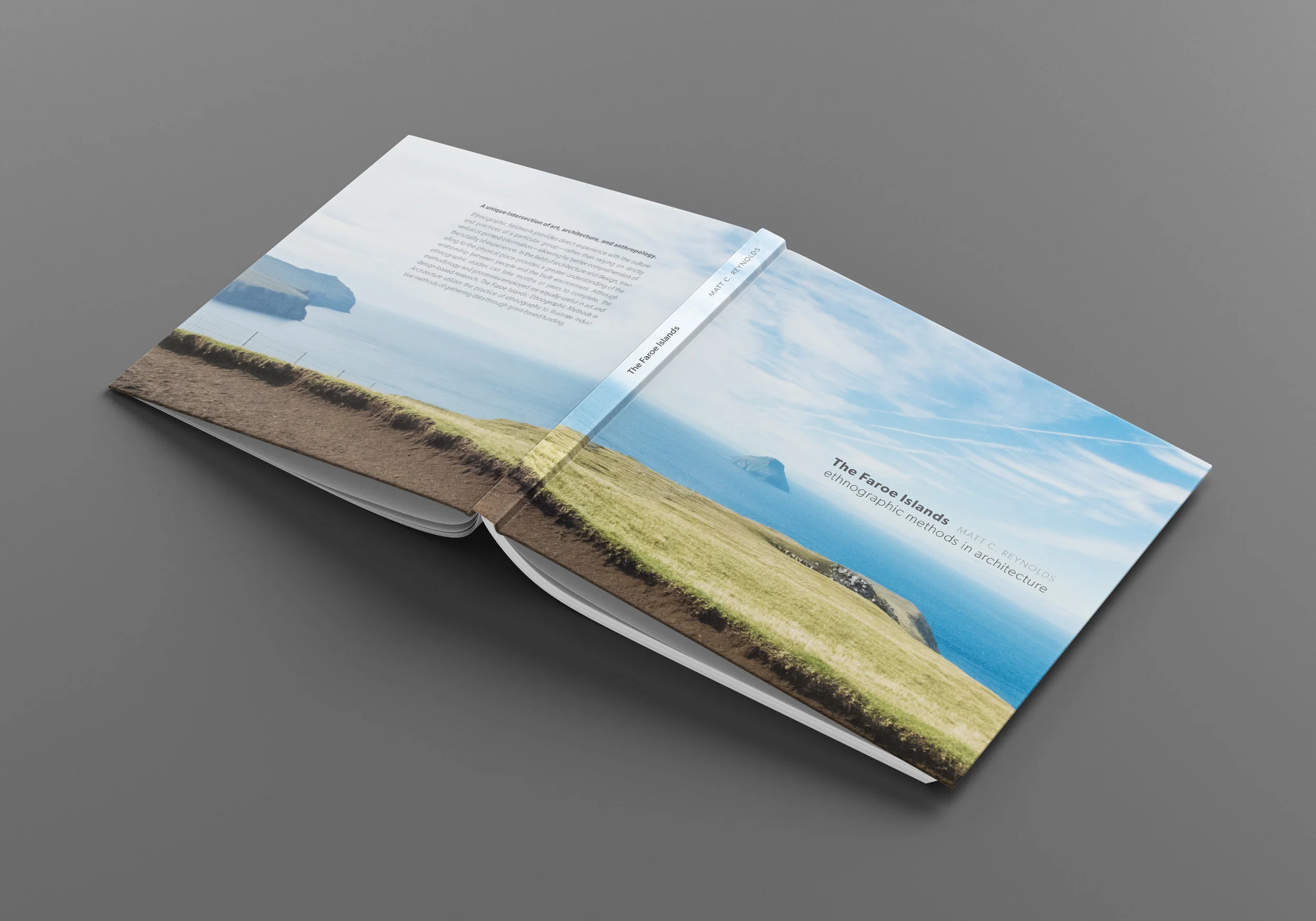
The work began with a solo travel-research trip, recording the islands through notes, drawings, artifacts, and photographs rather than through a camera alone. The harder half came afterward. Over six months at home, that material was sorted, cross-referenced, and interpreted, with the process of making sense of it treated as part of the subject rather than as preparation for it. The book was designed alongside the research so that the sequencing, the drawings, and the printed format at seven inches square carried the argument as much as the writing did. The project was made possible by the Rossetti Scholarship at Dalhousie University.
Lasting Impact
The result is an intimate book that demonstrates what ethnography can offer architecture, art, and design, and is candid about the complexity and the adventure of travel-based research. It fills a gap for anyone considering similar work, and it stands as a record of a building culture that few outside the North Atlantic ever encounter.
Category
Architectural Illustration, Publication Design, Research
Project Values
Immersion, Observation, Interpretation, Reflexivity
Design Team
Matt C Reynolds